Introduction
When it pertains to the interesting world of serpents, few varieties record the creativity quite like the baby tiger serpent. Understood for their distinct coloration and potent poison, these snakes are an essential part of Australia's unique environment. In this extensive short article, we will certainly delve into various elements of baby tiger serpents, including their habits, environment, and just how to safely connect with them. Whether you're a wild animals enthusiast or just interested regarding these creatures, understanding infant tiger snakes can aid foster a much deeper recognition for nature.
Baby Tiger Snakes: What You Required to Understand About Their Actions and Habitat
What Are Child Tiger Snakes?
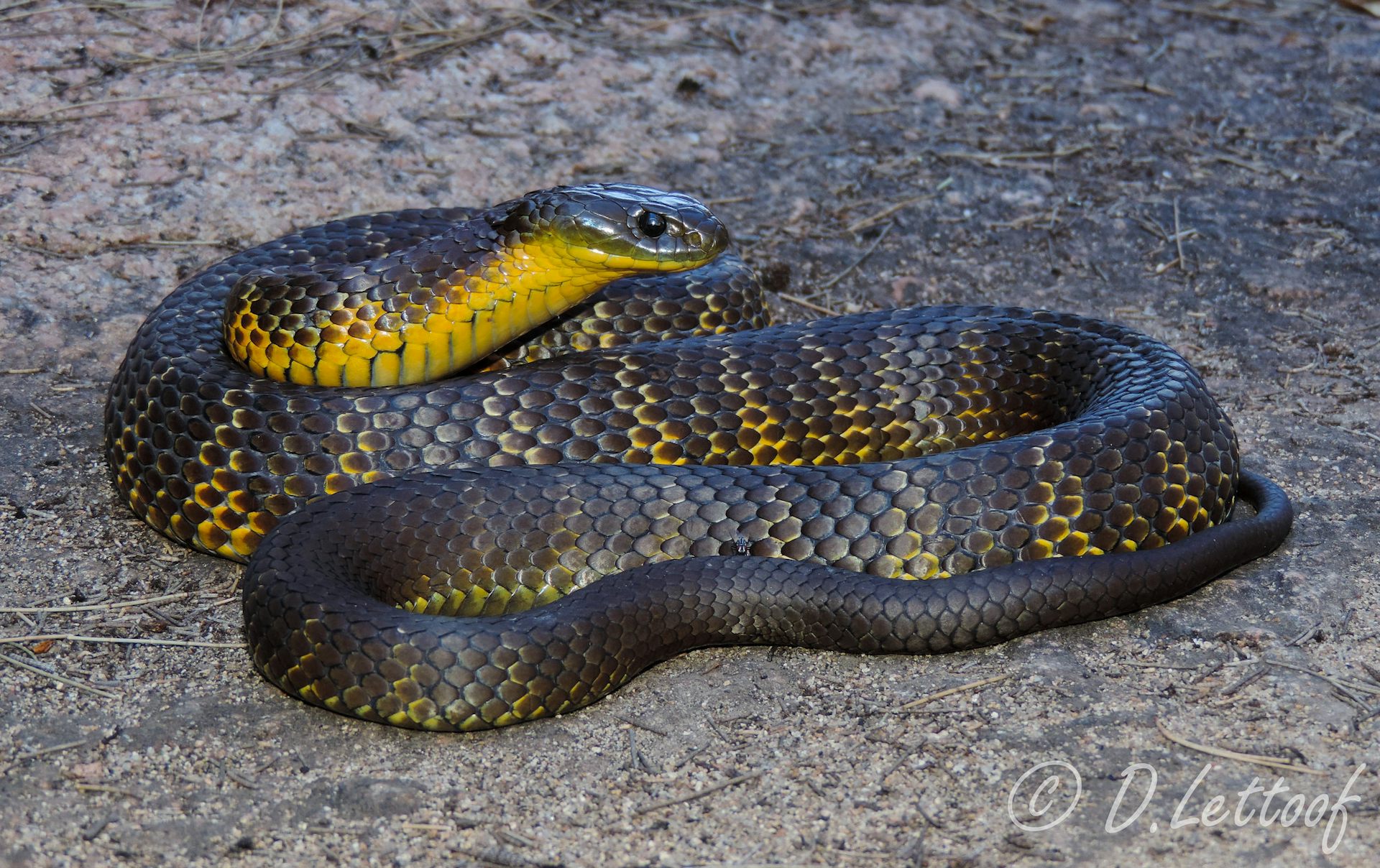
Baby tiger serpents are juvenile types of the highly venomous types understood clinically as Notechis scutatus These serpents are mostly located Check out this site in seaside areas of Australia, specifically in Tasmania and southern Victoria. As they grow, their pigmentation changes from a much more low-key scheme to the characteristic yellow and black bands that give them their name.
One remarkable element of child tiger snakes is their size; hatchlings usually determine around 25-30 cm in length. Regardless of their little stature, they have an unexpected amount of venom that can be detrimental to humans if bitten.
Physical Characteristics
Tiger serpents possess numerous key physical qualities:
- Coloration: The distinctive banding pattern typically becomes much more noticable as they mature. Size: Adults can reach lengths of as much as 2 meters. Body Shape: They have a robust body that aids in swimming and earthbound movement.
Where Do Child Tiger Snakes Live? Recognizing Their Habitat
Understanding the habitat preferences of baby tiger deadliest snake in australia serpents is essential for both preservation efforts and public safety. These serpents grow in various settings:
- Wetlands: Marshes and swamps supply enough searching grounds. Coastal Regions: Usually discovered near beaches where they can quest for prey. Woodlands: Thick plant life offers cover from predators.
Geographical Distribution
Tiger snakes are primarily located along Australia's southern shoreline, consisting of:
- Tasmania: Home to one of the most infamous populations. Victoria: Specifically in locations near water bodies.
Are Tiger Snakes Venomous? A Deep Dive into Their Venom
One typical inquiry emerges when talking about child tiger snakes: "Are tiger serpents poisonous?" The response is a definite yes!
Venom Composition
The venom of tiger serpents includes neurotoxins that can cause paralysis, coagulopathy (blood clotting issues), and possibly death if neglected. Right here's what you require to recognize:
- Effects on Humans: A bite from a tiger snake can result in signs and symptoms like swelling, discomfort at the bite site, queasiness, and also respiratory system failure.
Comparison with Various other Venomous Snakes
In contrast to various other Australian serpents such as the eastern brownish serpent or king brown snake, tiger serpent poison is taken into consideration among one of the most powerful. Nevertheless, fatalities are unusual due to enhanced clinical treatments and accessibility to antivenom.
Behavioral Patterns of Infant Tiger Snakes
Understanding how child tiger serpents behave is essential for those that stay in or visit areas where these reptiles are prevalent.
Nocturnal Habits
Most child tiger snakes display nighttime behavior. They tend to forage for food during cooler evening temperature levels. This versatility assists them prevent predators while enhancing their hunting efficiency.
Hunting Techniques
Their hunting strategies consist of:
- Ambush Predation: Waiting inactive until prey comes close. Active Foraging: Proactively relocating via plant life or along waterways searching for food.
First Help for Serpent Bites: What You Must Know
Despite being remarkable animals, encounters with child tiger serpents can lead to unsafe scenarios if bites take place. Understanding emergency treatment procedures can save lives.
Immediate Tips After a Bite
Remain calmness; panic increases heart rate. Immobilize the affected limb utilizing a splint or bandage. Seek prompt clinical focus-- antivenom may be necessary.Creating a Snake Bite Emergency Treatment Kit
A well-prepared first aid kit should consist of:
|Thing|Function|| ------------------------------|--------------------------------------|| Compression plaster|To paralyze the Safety and Prevention arm or leg|| Splint|Supports damaged bones or joints|| Antihistamines|Alleviates allergies|| Emergency call numbers|Quick accessibility throughout emergency situations|
Common Myths Concerning Tiger Snakes Debunked
Many myths surround these fascinating reptiles; let's clear up some misconceptions generally held by people.
Myth # 1: All Tiger Snakes Are Aggressive
While some people might exhibit protective habits when threatened, not all tiger snakes display aggression in the direction of people unless provoked.
Myth # 2: Infant Tiger Snakes Are Much Less Hazardous Than Adults
This myth could not be additionally from the reality! Child tiger serpents contain almost as much venom as adults about their size; therefore they pose significant risks if bitten.
FAQs Concerning Child Tiger Snakes
What do infant tiger snakes eat?- They mostly take in little creatures, birds, frogs, and fish.
- Look for slim bodies with faint banding patterns that end up being more noticable as they mature.
- Yes! Birds of target and bigger reptiles may target them.
- Typically every couple of weeks as they proliferate during their early life stages.
- While some individuals do maintain them illegally without licenses because of their dangerous nature; it's typically not recommended provided their venomous status.
- With timely clinical treatment-- including antivenom-- the survival rate is high!
Conclusion
In recap, recognizing baby tiger snakes-- what they eat, where they live, how they act-- can furnish us with valuable expertise about these remarkable yet dangerous animals. The value of education surrounding emergency treatment actions can not be overstated; knowing how to respond properly after a bite might conserve lives while fostering regard for our wriggling neighbors within Australia's abundant biodiversity range.
By appreciating these serpents' functions within ecosystems-- and recognizing potential dangers-- we advertise conjunction instead of fear-based responses towards one another's existence in nature's grand tapestry! Whether you're an enthusiastic walker pondering your following adventure or just interested about neighborhood wild animals experiences near home-- this guide serves as your relied on referral point on the enigmatic globe populated by our close friends-- the splendid baby tiger snake!
